Driveway Washing in Lewisburg, PA: Why Is My Driveway Turning Black? The Truth About Mold and Mildew Growth
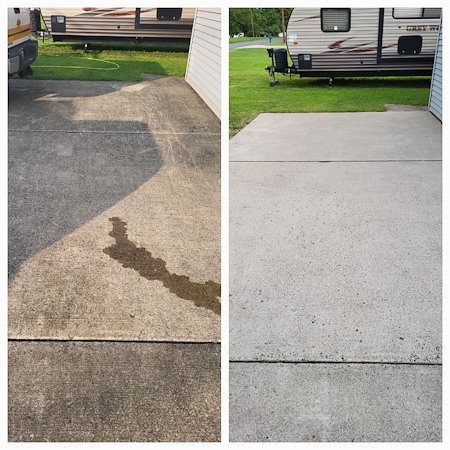
If you have noticed black streaks or blotches spreading across your concrete, you are not alone. Homeowners all over the Susquehanna Valley ask why this happens and how to stop it. The short answer is that moisture, shade, and porous concrete invite organic growth that darkens the surface. When that growth mixes with tire residue and road grime, the result looks like a permanent stain. This is where professional driveway washing in Lewisburg, PA makes a real difference.
Black patches do not mean your slab is failing, but they are a warning sign that the surface is holding moisture and feeding live growth. A targeted cleaning approach removes the stains and the root cause, restoring a bright, even look without harm to the concrete. When you are ready to solve it the right way, a professional driveway washing service is the most reliable path to a clean, safe driveway.
What Causes Black Stains on Concrete Driveways
Concrete is like a giant sponge full of tiny pores. Those pores trap water, dust, and organic material. In the right conditions, mold, mildew, and algae take hold and produce dark pigments that seep into the top layer of the slab. Add rubber from tires, oil mist from traffic, and soot from winter heating, and the surface darkens even more.
- Mold and mildew feed on trapped moisture and organic residue, creating dark blotches that spread in shade.
- Algae thrives on damp surfaces and turns slick, especially along the edges near grass or mulch.
- Tire residue and fine road film bond to wet concrete and lock in a gray-black haze.
- Leaf tannins and tree drips can darken the surface in fall, especially under maples and oaks.
Mold and mildew spread fastest in shade and constant moisture, so the north side of a home or an area behind shrubs often shows the worst staining. Wind-blown dirt works like fertilizer, giving that growth more to feed on.
Why Lewisburg Homes See Faster Mold and Mildew Growth
Central Pennsylvania’s climate gives organic growth a head start. Warm, humid summers along the Susquehanna mean long stretches of damp mornings. Driveways in tree-lined neighborhoods near Bucknell University, Linntown, and Kelly Township often stay shaded until noon. In winter and early spring, meltwater and deicers pool along joints, and that moisture lingers. The more days a slab stays damp, the more likely black stains appear.
Local factors that accelerate staining include:
- Frequent shade from tall street trees on Market Street and similar corridors.
- Irrigation overspray that keeps edges wet near planting beds.
- Freeze-thaw cycles that open micro-cracks where grime and spores settle.
- Fine silt from seasonal flooding and river air that settles onto driveways.
Risks of Ignoring Black Growth on Your Driveway
Dark stains are more than a curb appeal issue. They hold moisture against the slab and can hide early surface wear. As growth thickens, it turns into a thin biofilm that is extremely slick when wet. Do not ignore slick, black patches where people walk. Falls happen fast on slopes or at the foot of porch steps.
Left alone, staining spreads and becomes harder to remove, especially in shaded joints and cracks. Oils, soot, and organic pigments can migrate deeper into the surface and resist basic washing. You might also see white crusting or popping along edges where moisture cycles are strongest. Regular, professional cleaning interrupts that cycle and helps the driveway shed water instead of soaking it up.
Why Professional Driveway Washing Works Better Than Scrubbing
Concrete looks tough, but the top cream layer is vulnerable. Household scrubbing or the wrong nozzle can scar the surface and leave permanent wand marks. Professional cleaning focuses on two goals: lift the contamination and protect the concrete. That means controlled application of targeted detergents, balanced dwell time, and a measured rinse that clears the pores without etching.
With the right workflow, live growth is neutralized, tire film breaks apart, and the rinse carries residue away instead of driving it deeper. The result is an even, bright finish rather than a patchwork of clean spots. If you are comparing options, look for a company that treats the cause, not just the color. Our team also provides broader residential power washing services to keep connected surfaces consistent across the entire exterior.
Our Process for Concrete Mold Removal
Every driveway is different, but the plan is simple and thorough. First, the surface is assessed for shade patterns, water flow, and problem areas like joints and low spots. Pre-treatment targets live growth and bonded grime so the rinse can carry it away. The rinse step uses balanced pressure and flow to clear the film from the pores. On stubborn areas, a controlled second pass evens out the finish. A final post-treatment helps slow new growth so the slab stays brighter longer.
Avoid harsh chemicals that can etch concrete. A professional approach focuses on dwell time, coverage, and safe rinsing. The goal is a clean, even surface without damage to the cream layer or surrounding landscaping.
How Often Should You Clean Your Driveway in Lewisburg, PA
Cleaning frequency depends on shade, traffic, and moisture. Most Lewisburg homes benefit from a thorough cleaning every 12 to 24 months. Heavily shaded properties near tree lines or along narrow side streets may need attention each spring. If the driveway borders mulch beds or a frequently used sprinkler zone, plan on more frequent service to keep organic material from taking root in the pores.
Homes on busier streets with more soot and tire film might notice a faster return of the gray haze. A steady schedule keeps the surface hydrophobic and easier to rinse off with normal rain, which slows down the cycle of dark staining.
Signs You Need Professional Exterior Cleaning Now
Walk your driveway and check for these red flags. If you spot two or more, a professional cleaning will make a major difference.
- Black or dark green patches that stay damp long after the rest of the slab dries
- Slick feel underfoot, especially along edges and at the bottom of slopes
- Dark tire arcs that do not budge with rain
- Persistent musty odor near shaded joints or along the garage apron
- Stains creeping from mulch beds, leaf piles, or shaded downspouts
Protecting Landscaping and Nearby Surfaces
Driveways often border grass, perennials, and decorative stone. A safe cleaning plan shields plants and keeps rinse water where it belongs. Pre-wetting and controlled flow reduce the chance of leaf spotting. Rinse patterns are aimed away from beds and walkways to prevent tracking residue onto pavers or porches. Keep people and pets off the driveway until it is fully dry after cleaning so the fresh surface does not pick up footprints or new grime.
If you manage a storefront or small lot in downtown Lewisburg or near campus, consider pairing the driveway or parking pad with commercial power washing for sidewalks and entries. A coordinated clean makes the entire approach safer and more inviting.
What You Can Expect After Professional Cleaning
Most homeowners notice a brighter slab and sharper contrast in control joints right away. Beyond appearance, you will feel better traction underfoot because the biofilm is gone. Water beads and sheds more evenly, so the surface dries faster after rain or snow melt. That faster dry time is what slows new growth and keeps black stains from returning quickly.
Because each property is unique, results vary based on age, aggregate type, and prior damage. The goal is a clean, uniform finish that allows the concrete to perform the way it should. If your driveway has patched areas, older sealer, or heavy rust marks, a custom approach will set realistic expectations and target the most visible wins first.
Local Care Tips That Keep Stains From Coming Back
While no surface stays spotless forever, simple habits extend the time between cleanings. Clear leaf piles before heavy rain so tannins do not sit on the slab. Adjust sprinklers so they do not soak the same corner every morning. Trim back dense shrubs that trap shade and reduce air flow along the driveway’s edge. Small changes like these reduce moisture and starve the growth that causes black staining.
In winter, sweep off fine cinders and salt residue when conditions allow. That loose grit holds moisture and works its way into the top layer of the concrete. Over time it discolors the surface and feeds the film you see in spring.
Restore Curb Appeal With Trusted Pressure Washing in Lewisburg, PA
You deserve a driveway that looks clean and feels safe to walk on. Mountainbrook Powerwashing Services LLC serves homeowners across Lewisburg, Linntown, Kelly Township, and nearby communities with professional exterior cleaning that targets mold, mildew, and stubborn film. If you are tired of black stains creeping back, schedule your next service and enjoy the lift in curb appeal every time you pull in.
Have questions about the process or timing for your home? Explore how our driveway washing service clears stains and helps slow regrowth. You can also learn more about driveway washing in Lewisburg, PA and how it fits with whole-home care from our team.
Safety first matters year round. Wet, shaded driveways are slippery, and stains only make it worse. When you are ready to take action, call Mountainbrook Powerwashing Services LLC at 272-231-0940 or schedule your driveway washing online. We look forward to helping your home look its best.